Introduction
Rolled metal construction is a interesting method that comprises reworking uncooked material https://tonmetholding.com.ua/uk/produkciya-2/c/kalbrovana-smuga/ into the ultimate product we use in our primary lives. It is a adventure that requires careful planning, specific execution, and evolved machinery. In this text, we are able to explore the assorted tiers concerned inside the creation of rolled steel, from the extraction of raw supplies to the producing of the final product.
The Extraction of Raw Materials
Obtaining Iron Ore: The Foundation of Rolled Metal Production
Iron ore is the significant raw material utilized in rolled metallic production. It is extracted from mines by a procedure which is called mining. This strategy comprises drilling, blasting, and extracting iron ore from underground or open-pit mines. The extracted iron ore is then transported to processing flora for similarly refinement.
Processing Iron Ore: From Ore to Concentrate
Once iron ore is extracted from mines, it undergoes processing to do away with impurities and remodel it into a focus. This job usually comprises crushing the ore into smaller pieces after which separating the iron content material as a result of a lot of strategies similar to magnetic separation and flotation.
Coke Production: Fueling the Furnaces
Coke is a imperative component in the construction of rolled steel. It is produced by way of heating coal at top temperatures in coke ovens, which eliminates impurities and leaves at the back of carbon-prosperous coke. The coke produced serves as fuel for the furnaces used in steel manufacturing.
The Steelmaking Process
Blast Furnace: Melting Iron Ore and Coke
The blast furnace is where the magic happens in rolled metallic manufacturing. It is a towering structure made up of metallic and coated with refractory parts to withstand excessive temperatures. Inside the blast furnace, iron ore and coke are loaded from the top, and sizzling air is blown in from the base.
The intense heat generated throughout the blast furnace causes chemical reactions that end in melting iron ore and coke. The molten iron collects at the lowest of the furnace, at the same time impurities, called slag, drift on best and are periodically removed.
Basic Oxygen Furnace: Refining the Molten Iron
After being extracted from the blast furnace, the molten iron undergoes extra refinement in a primary oxygen furnace (BOF). This approach contains blowing oxygen into the molten iron to put off impurities such as carbon, silicon, and sulfur. The influence is high-quality metal prepared for shaping and rolling.
Continuous Casting: Shaping Molten Steel
Continuous casting is a method where molten metal is poured right into a water-cooled mildew to shape lengthy metallic strands. These strands are then cooled and solidify into semi-carried out products referred to as billets or slabs. Continuous casting helps for valuable construction and ensures uniformity within the structure and caliber of the rolled steel.
Rolling Process: Transforming Steel into Rolled Metal
Hot Rolling: Shaping Steel at High Temperatures
Hot rolling is a very important step in rolled metal creation that comprises shaping steel at prime temperatures. The semi-finished merchandise from continual casting are reheated and surpassed using multiple units of rolls to minimize their thickness and form them in keeping with unique requirements.
Hot rolling not in simple terms reduces the thickness of the steel however also improves its mechanical homes by means of aligning its grain construction. This manner should be would becould very well be accomplished utilising exceptional kinds of rolling mills, akin to plate mills, strip generators, and area turbines.
Cold Rolling: Enhancing Strength and Surface Finish
After hot rolling, a few rolled metallic products endure yet another process which is called cold rolling. Cold rolling involves passing warm-rolled metal because of rollers at room temperature to added cut back its thickness and recuperate its surface finish.
Cold-rolled steel displays stronger energy, dimensional accuracy, and surface high-quality as compared to sizzling-rolled metal. It reveals packages in assorted industries including automobile manufacturing, development, and home equipment.
Quality Control and Inspection
Non-Destructive Testing: Ensuring Product Integrity
Non-damaging trying out (NDT) performs a necessary function in ensuring the good quality and integrity of rolled steel merchandise. NDT thoughts reminiscent of ultrasonic checking out, magnetic particle inspection, and eddy current trying out are hired to hit upon surface and subsurface defects in the rolled steel.
Dimensional Inspection: Meeting Specifications
Dimensional inspection is achieved to ascertain that the rolled metal merchandise meet the desired dimensions and tolerances. Various measurement techniques, comparable to calipers, micrometers, and laser scanning, are used to investigate the dimensional accuracy of the closing product.
Frequently Asked Questions (FAQs)
Q: What uncooked resources are used in rolled metallic manufacturing? A: The widely used uncooked material utilized in rolled metallic production are iron ore and coke.
Q: What is the intention of hot rolling inside the creation process? A: Hot rolling is very important for shaping steel at high temperatures, cutting thickness, and aligning grain construction for superior mechanical residences.
Q: How does bloodless rolling fluctuate from hot rolling? A: Cold rolling is accomplished at room temperature to added reduce thickness and support surface finish, ensuing in more advantageous power and dimensional accuracy.
Q: What role does non-unfavourable trying out play in rolled steel construction? A: Non-destructive checking out ensures the high-quality and integrity of rolled metallic merchandise via detecting floor and subsurface defects using a range of systems.
Q: How is dimensional inspection completed in rolled metallic production? A: Dimensional inspection comes to measuring the specified dimensions and tolerances of rolled metal merchandise riding equipment like calipers, micrometers, or laser scanning.
Q: Which industries make use of bloodless-rolled metallic? A: Cold-rolled metallic reveals packages in industries resembling car production, production, and home equipment via its more advantageous energy and surface first-class.
Conclusion
The experience from uncooked fabric to very last product in rolled metallic creation is a advanced and complex job. It comes to the extraction of iron ore, processing it into focus, generating coke as gasoline, after which transforming the uncooked substances into steel using blast furnaces and ordinary oxygen furnaces. The metal is shaped because of scorching rolling and similarly enhanced thru cold rolling. Quality keep watch over measures akin to non-negative trying out and dimensional inspection be sure that that the rolled metal merchandise meet the required criteria.
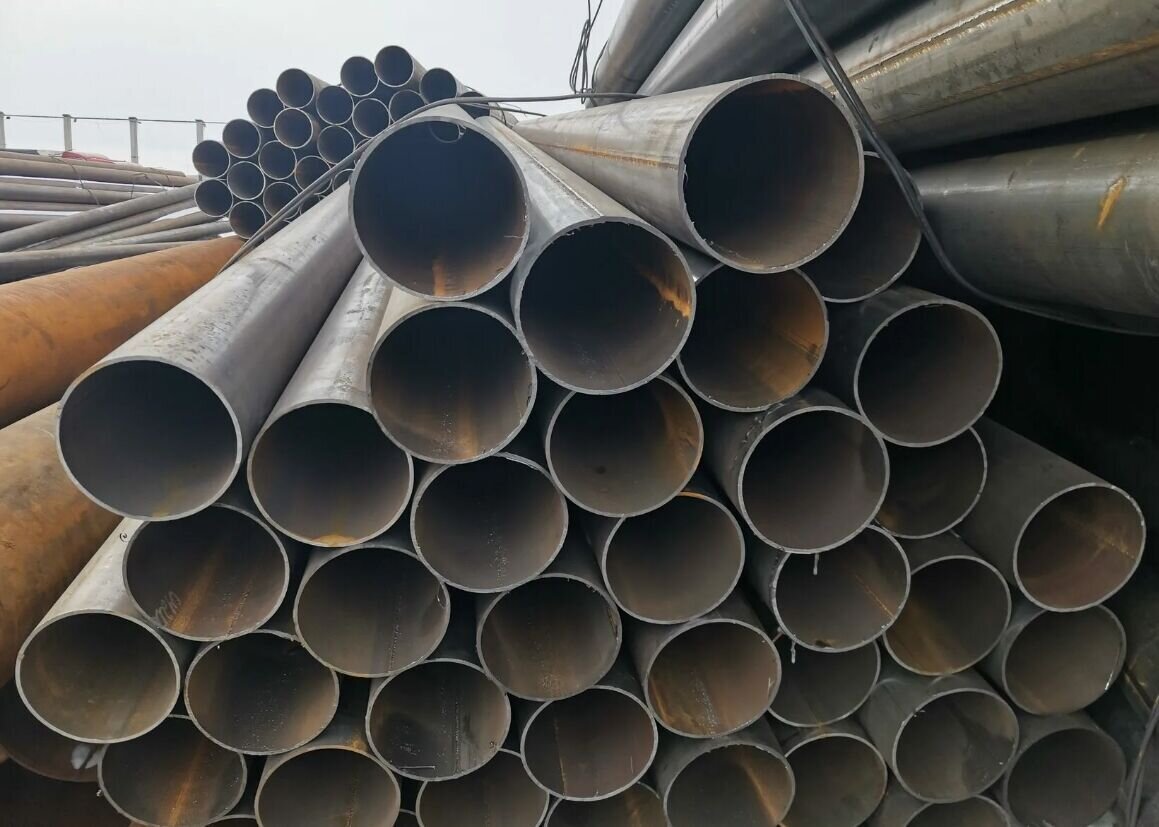
From skyscrapers to vehicles, rolled metallic plays a primary position in our latest international. Understanding the adventure it takes from raw subject matter to closing product offers us a deeper appreciation for the craftsmanship and experience in touch in its manufacturing. So next time you hit upon a rolled metallic product, have in mind the amazing trip it has taken to succeed in your hands.